Mindblown: a blog about philosophy.
-
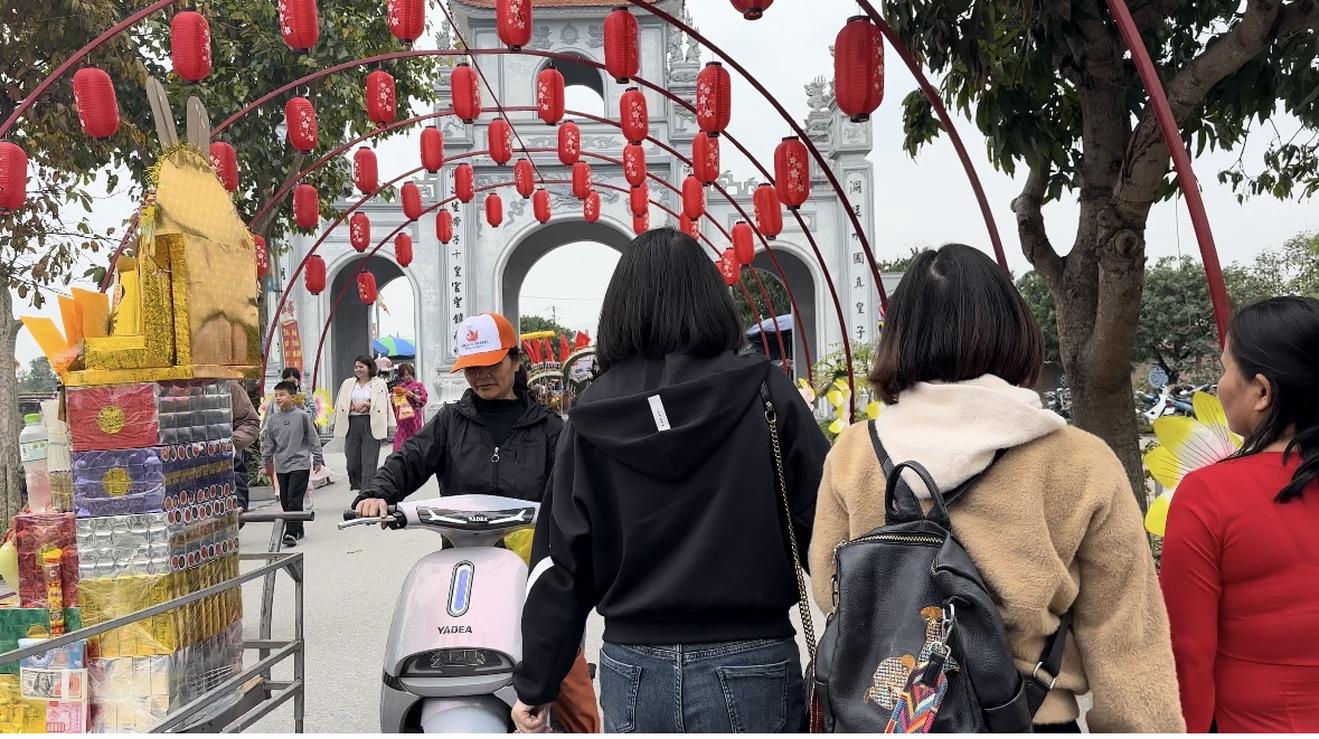
Đảm bảo an toàn thực phẩm tại các lễ hội xuân 2025
Tình hình an toàn thực phẩm trong mùa lễ hội Cục An toàn thực phẩm (Bộ Y tế) cho hay, hiện nay là thời điểm sôi động của mùa lễ hội xuân 2025. Nguy cơ mất an toàn thực phẩm và các sự cố liên quan vẫn tiềm ẩn tại tất cả các khâu trong…
-
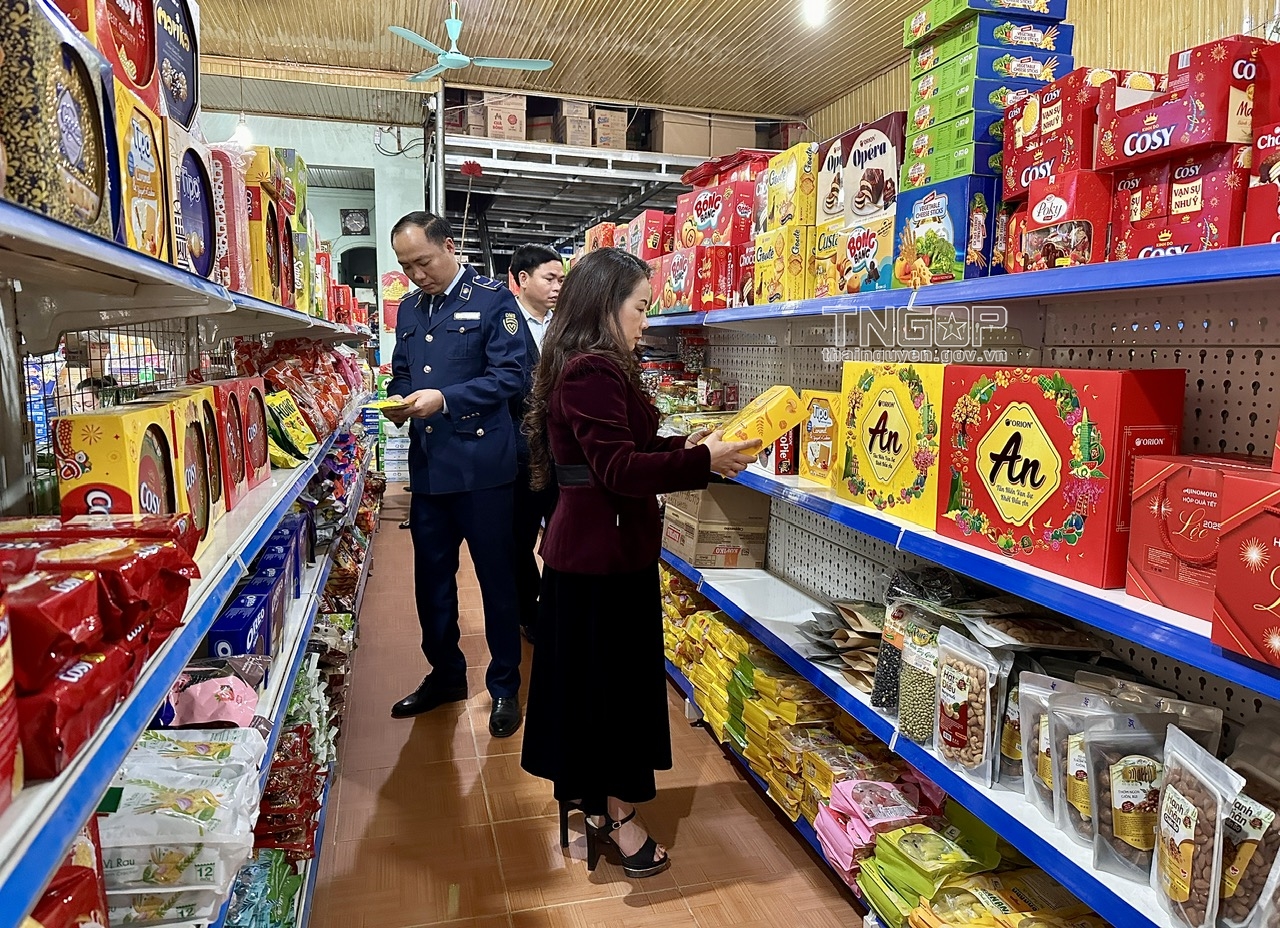
Xử Lý Nghiêm Các Trường Hợp Vi Phạm An Toàn Thực Phẩm Trong Dịp Tết
Tình Hình Vi Phạm An Toàn Thực Phẩm Gia Tăng Trong Dịp Tết Chỉ còn gần 10 ngày nữa là đến Tết Nguyên Đán Ất Tỵ, đây là thời điểm nhu cầu tiêu thụ thực phẩm tăng cao. Nhiều đối tượng đã lợi dụng tình hình này để kinh doanh buôn bán thực phẩm không…
-
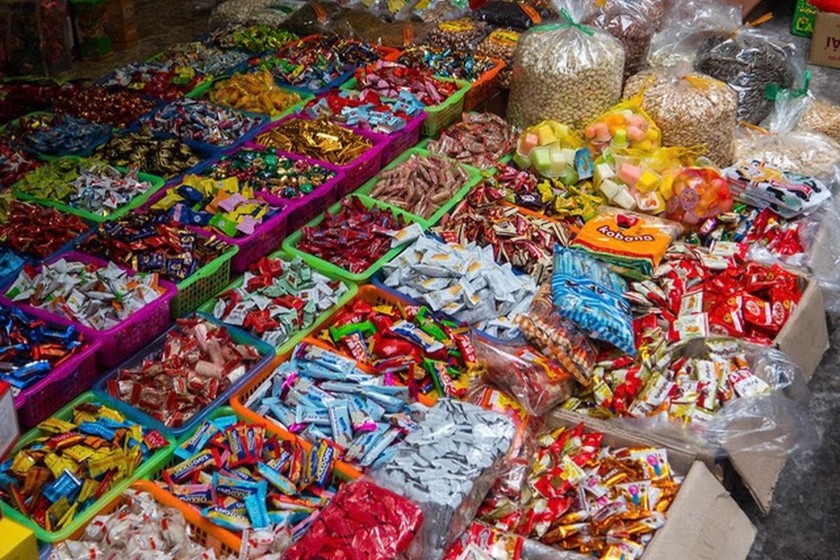
Quảng Ninh: Tăng cường kiểm tra an toàn thực phẩm dịp Tết Nguyên đán
Hướng tới Tết Nguyên đán an toàn và đảm bảo vệ sinh thực phẩm Tết Nguyên đán là thời điểm nhu cầu tiêu dùng thực phẩm tăng cao, kéo theo những nguy cơ về an toàn thực phẩm (ATTP). Nhận thức được điều này, các địa phương, doanh nghiệp trên địa bàn tỉnh Quảng Ninh…
-
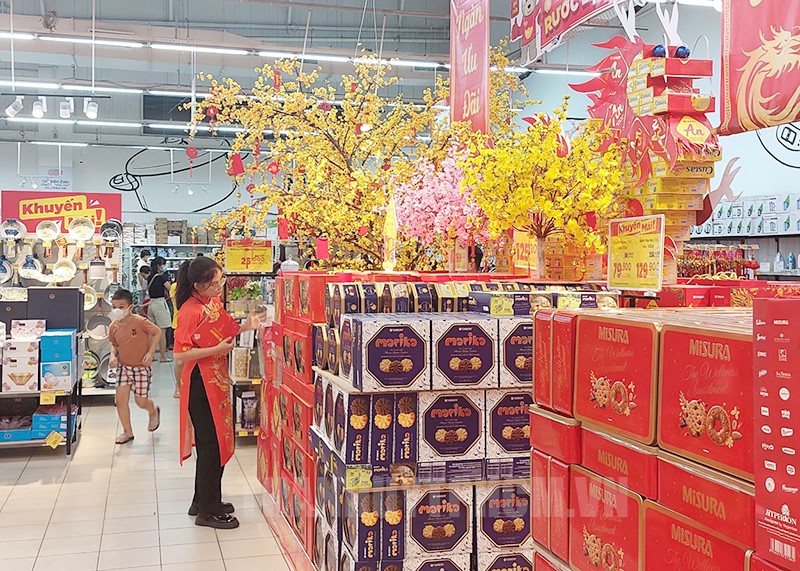
Long An Tăng Cường Triển Khai Bảo Đảm An Toàn Thực Phẩm Dịp Tết Và Mùa Lễ Hội Xuân 2025
Mục Tiêu Và Kế Hoạch Triển Khai Để bảo đảm an toàn thực phẩm (ATTP) trong dịp Tết Nguyên đán Ất Tỵ và Lễ hội Xuân 2025, Ban Chỉ đạo Liên Ngành tỉnh Long An về ATTP đã xây dựng kế hoạch chi tiết. Mục tiêu chính là ngăn chặn nguy cơ ngộ độc thực…
-
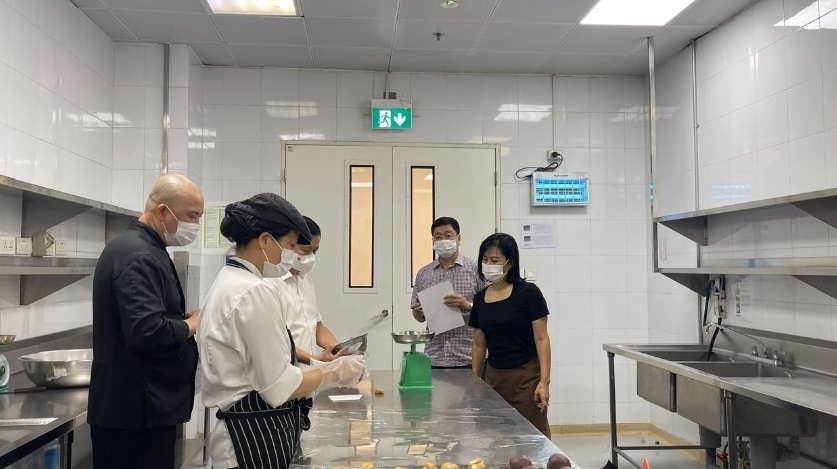
Xử lý vi phạm về an toàn thực phẩm tại Hà Nội
Tầm quan trọng của an toàn thực phẩm tại Hà Nội Với dân số khoảng 8,5 triệu người, Hà Nội là một trong những địa phương đông dân nhất cả nước, dẫn đến nhu cầu tiêu thụ lương thực, thực phẩm rất lớn. Việc đảm bảo an toàn thực phẩm (ATTP) không chỉ là trách…
-
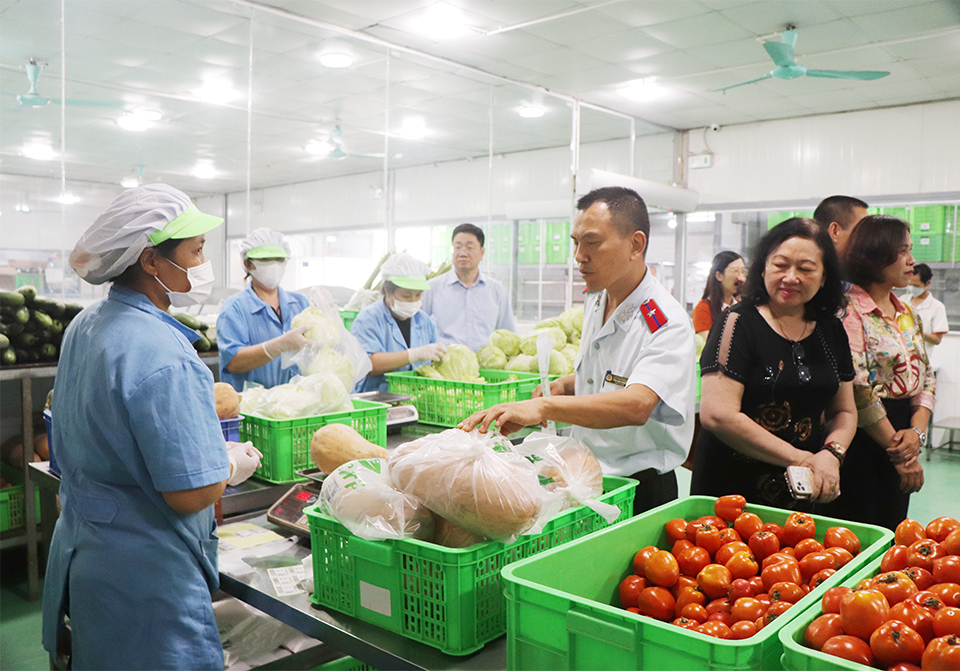
Hà Nội yêu cầu phân rõ trách nhiệm quản lý an toàn thực phẩm
Ngày 16/8/2024, UBND TP Hà Nội đã ban hành Kế hoạch số 352/KH-UBND, triển khai thực hiện Chỉ thị số 34-CT/TU của Thành ủy Hà Nội. Kế hoạch này nhằm tăng cường sự lãnh đạo và quản lý trong công tác bảo đảm an ninh và an toàn thực phẩm (ATTP), đáp ứng yêu cầu…
-
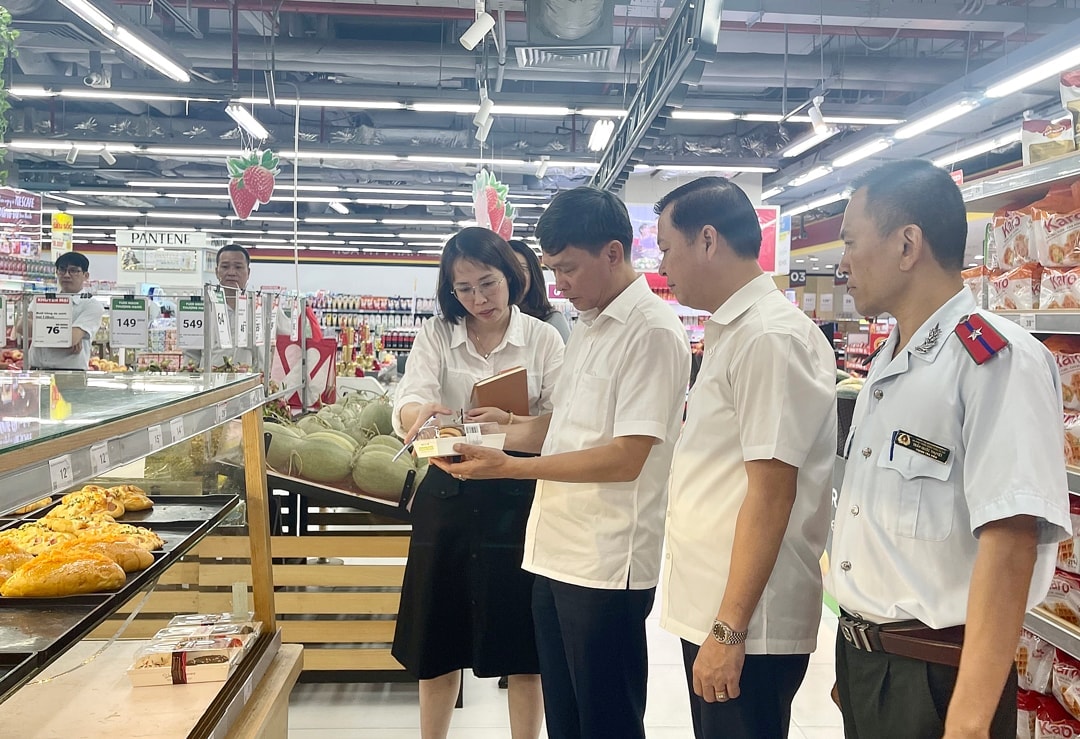
Hà Nội: Lập 4 đoàn kiểm tra liên ngành an toàn thực phẩm dịp Tết và lễ hội
Kế hoạch đảm bảo an toàn thực phẩm dịp Tết và lễ hội xuân 2025 UBND thành phố Hà Nội vừa ban hành kế hoạch đảm bảo an toàn thực phẩm (ATTP) phục vụ Tết Dương lịch, Tết Nguyên đán Ất Tỵ và lễ hội xuân năm 2025. Kế hoạch nhằm tăng cường công tác…
-
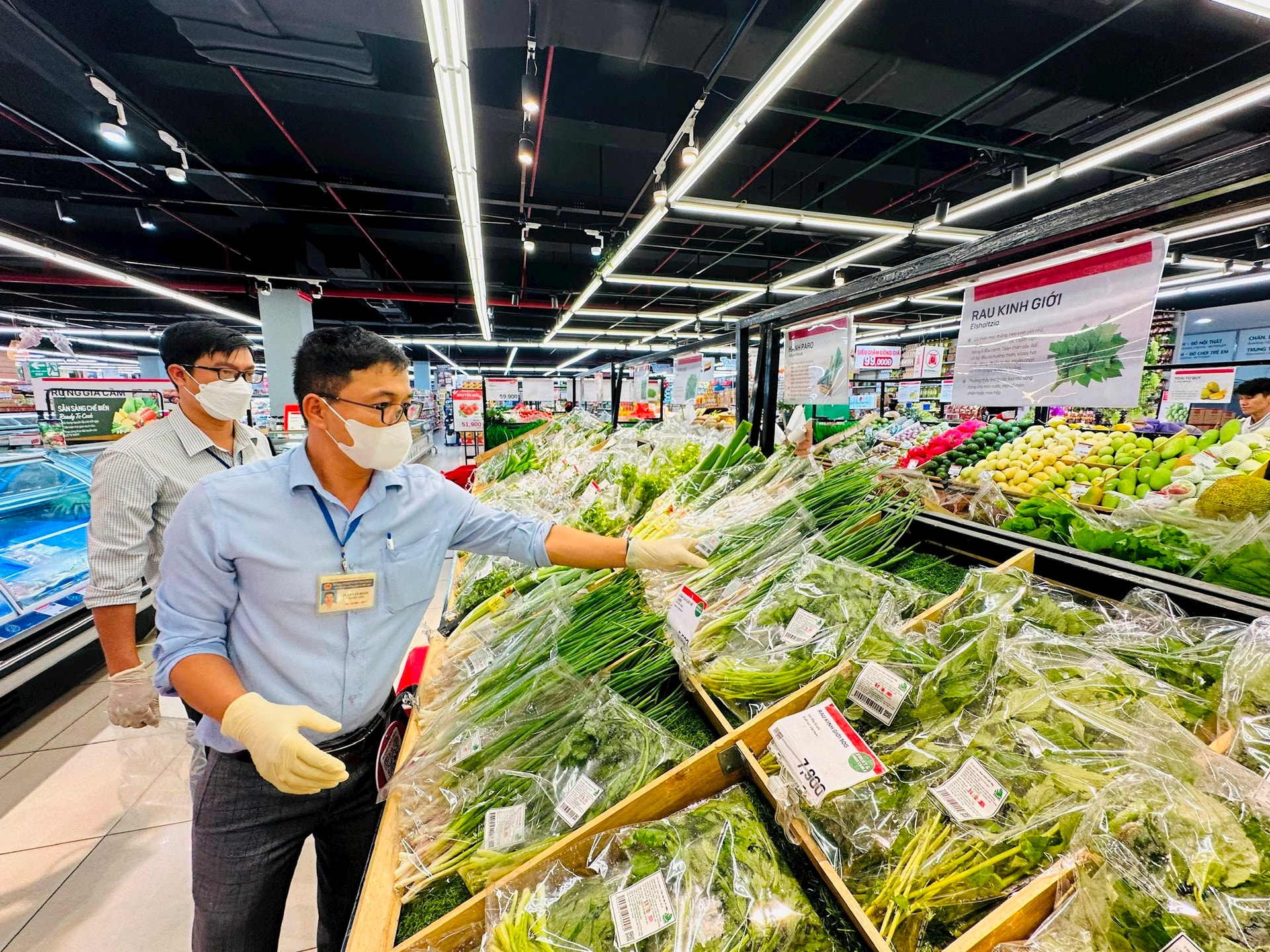
Tăng cường giám sát an toàn thực phẩm nông lâm thủy sản năm 2024
Tầm Quan Trọng của An Toàn Thực Phẩm trong Nông Lâm Thủy Sản An toàn thực phẩm (ATTP) đóng vai trò vô cùng quan trọng, không chỉ ảnh hưởng đến sức khỏe cộng đồng mà còn gắn liền với chất lượng cuộc sống và sự phát triển bền vững của kinh tế và an sinh…
-
An toàn thực phẩm trường học không chỉ ở phía sau cổng trường
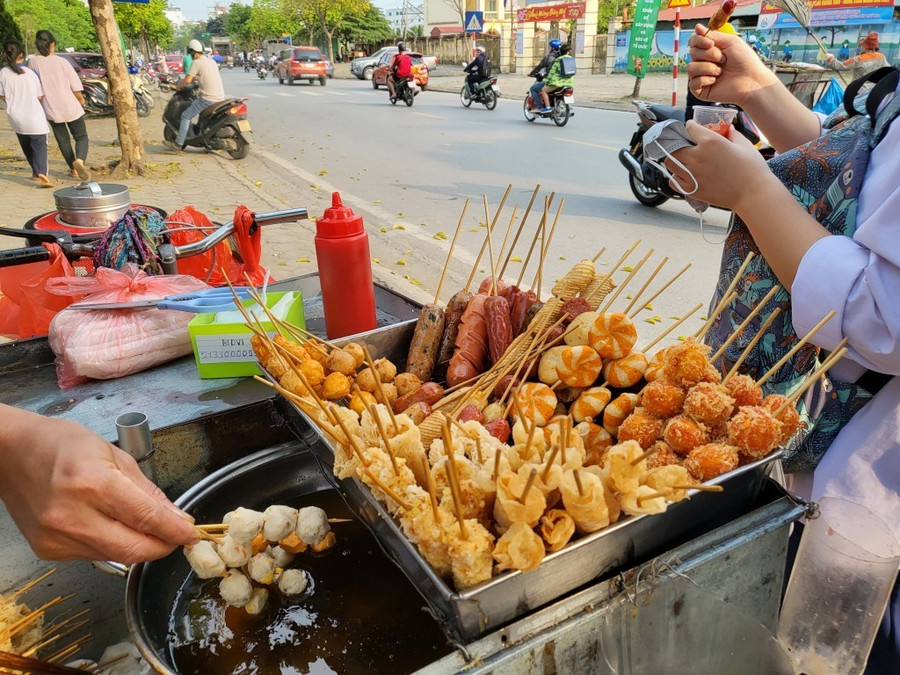
Vụ việc ngộ độc thực phẩm trước cổng trường mới đây lại một lần nữa làm dấy lên nỗi lo về mất vệ sinh an toàn thực phẩm, an toàn trường học… Hàng chục học sinh Trường THCS Bình Minh (huyện Thanh Oai, Hà Nội) có triệu chứng đau đầu, đau bụng sau khi uống…
-
Đảm bảo an toàn thực phẩm đến tay người dân không bị hỏng, mốc
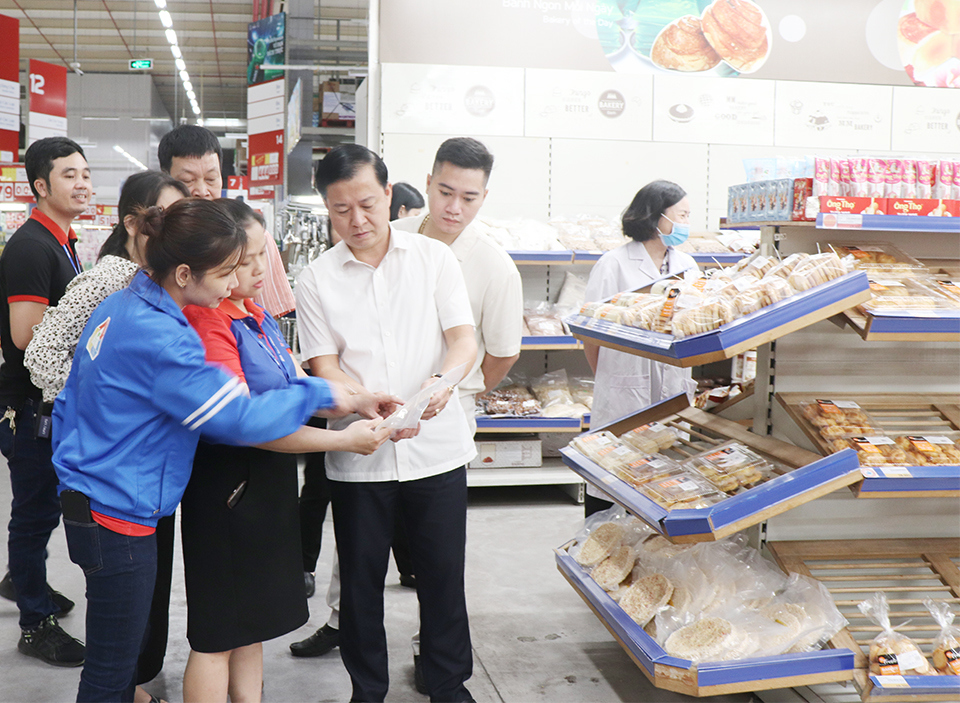
Cục An toàn thực phẩm, Bộ Y tế đã ban hành công văn số 2472/ATTP-NĐTT về việc tăng cường công tác bảo đảm an toàn thực phẩm, phòng chống ngộ độc thực phẩm do bão, lụt. Trước tình hình thực tế diễn biến, ảnh hưởng của cơn bão số 4 gây mưa lớn, ngập lụt…
Got any book recommendations?